


Key takeaways:
- Most airdropped tokens quickly lose value due to heavy selling.
- Tokens with active developers and regular updates tend to perform better.
- Strong community support and clear token use can boost success.
- Launching in the right ecosystem can make a big difference.
While the popularity surrounding airdrops remains high, the performance of airdropped tokens post-launch often tells a less favorable story. Let’s dive into the data to uncover the trends driving this phenomenon and explore why many of these tokens experience steep declines in value after their initial distribution.
What Are Airdrops?
The concept of airdrops in crypto began as an innovative way to distribute tokens directly to a user base, often to incentivize adoption, build network effects, or decentralize control. Early airdrops pioneered what has become a now-standard strategy in DeFi and Web3 communities. Below are some of the earliest notable airdrops:
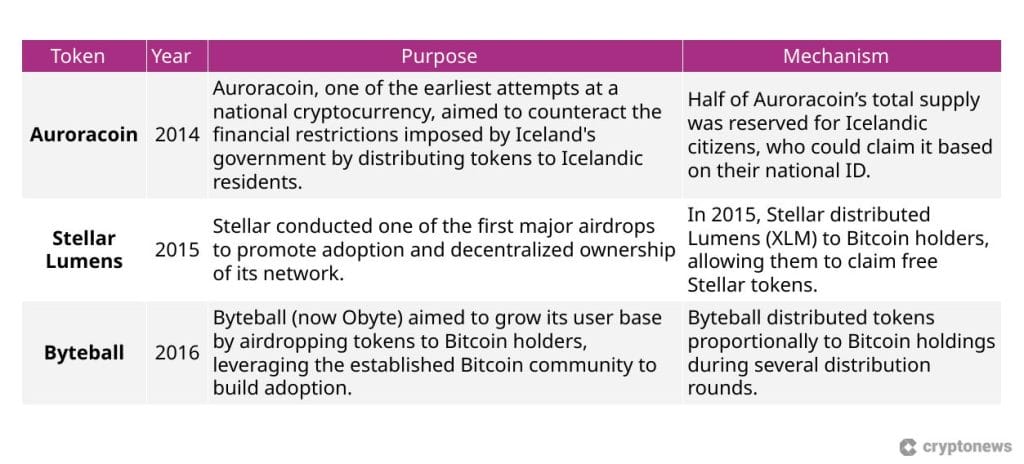
Of these three examples, only one remains somewhat relevant, hinting at the issues airdropped tokens often face.
Why Airdropped Tokens Decline Post-Launch
Despite the initial excitement, the majority of airdropped tokens experience downward price trends after their token generation events (TGE). Several factors contribute to this post-launch decline:
- Economics of token issuance: Airdropped tokens are often given away freely, leading to immediate pressure from holders who may see them as disposable assets rather than long-term investments. This dynamic causes sell-side pressure that frequently outweighs buy-side demand.
- Investor psychology: For many recipients, “free” tokens lack the same perceived value as purchased assets. Without strong incentives to hold, recipients often rush to sell at the first opportunity, driving prices down.
- Liquidity and utility: The long-term value of a token is closely tied to its utility within the network and overall liquidity. Many airdropped tokens lack significant use cases beyond speculative trading, which limits their value retention.
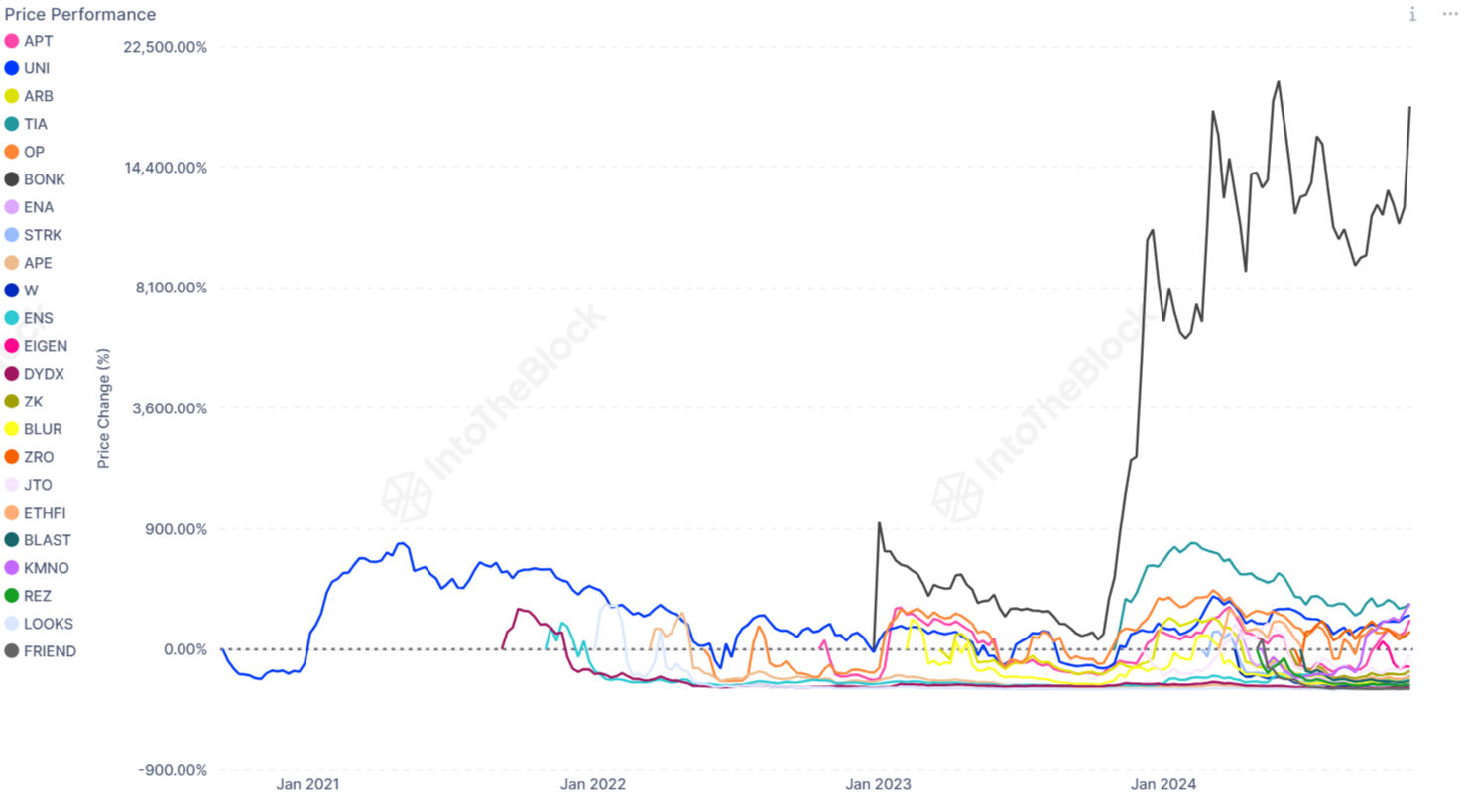
This reality becomes evident when examining recent performance data: In a sample of 23 airdropped tokens, only seven have shown positive returns. The majority trend downward, driven by higher selling volumes as recipients offload their free tokens.
Case Study: Optimism’s Airdrop
The Optimism network provides an illustrative example of a common post-airdrop trend. Optimism’s $OP token, distributed regularly to network contributors, saw a significant sell-off in its fifth distribution cycle in October. This latest cycle distributed 10,368,678 OP tokens across 54,723 unique addresses. The aftermath? A marked increase in zero-balance addresses, where nearly half of the distributed wallets emptied their holdings shortly after receiving tokens.
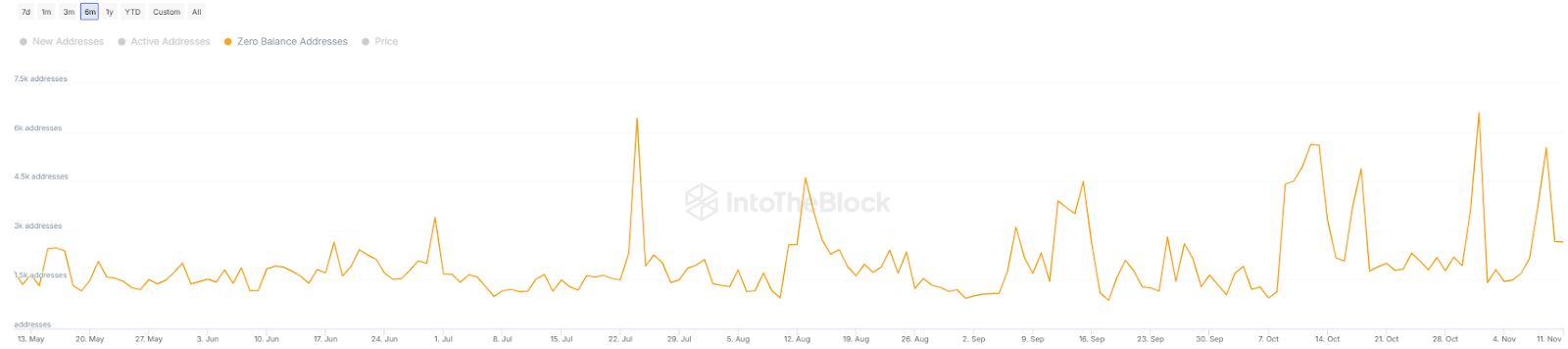
The chart above shows this selling behavior, revealing a fivefold increase in wallet emptying after the October airdrop. This pattern reinforces the issue: without built-in incentives to hold, recipients often sell tokens immediately, putting pressure on prices
The Outlier: BONK – A Reason to HODL
One airdrop that has bucked the trend is BONK, a token that has provided substantial returns to its holders. So, what did BONK do differently?
- Staking rewards: BONK introduced staking options, incentivizing holders to keep their tokens rather than sell them immediately.
- DeFi integration: BONK developed several DeFi tools, fostering trust in the asset and encouraging a broader use ecosystem.
- Strategic ecosystem placement: Perhaps most critically, BONK launched on the Solana blockchain. The strong performance of Solana’s ecosystem has directly supported BONK’s value, showing that network success can contribute to token performance.
The ecosystem where a token launches plays a crucial role in its success. This is evident in the two most profitable recent airdrops, BONK and Kamino, both of which launched on Solana—a network that has experienced notable interest and user growth.
Build and They Will Come: Developer Activity’s Impact on Token Success
In crypto, “build and they will come” isn’t just a catchy phrase—developer activity is a critical factor in determining a project’s long-term success. While the link between developer activity and token profitability may not always be direct, an engaged and active development team often correlates with better price performance.
Looking at Optimism (OP) and DYDX, both of which show substantial monthly development activity, it’s clear that projects with consistent updates and improvements tend to retain user interest and encourage holder confidence. Optimism, with over 2,400 monthly commits, maintains 50% of holders in profit—a solid figure among airdropped tokens. This kind of steady development helps projects stay relevant, adapt to user needs, and foster loyalty, ultimately benefiting token price stability.

Rather than a short-lived hype cycle, tokens with committed development teams behind them tend to build a stronger foundation. Over time, this keeps sell pressure in check and can turn a speculative asset into a long-term hold—making “build and they will come” a critical strategy for tokens aiming to buck the post-airdrop bleed.
The Open Door: Retail Buying Pressure
While we’ve focused on the sell pressure that drags airdropped tokens down, there’s another crucial element we need to address before wrapping up: buy pressure—or rather, the lack of it.
For an airdropped token to hold its value, it needs consistent demand from buyers, particularly retail investors willing to purchase these tokens on the open market. Without that buy pressure, even the most well-structured airdrop will ultimately buckle under the weight of sell pressure as recipients cash out their free tokens.
In the current market cycle, the conditions just haven’t been favorable for airdropped tokens. Despite Bitcoin’s relatively strong performance this year, most of that momentum has been driven by institutional interest. Retail participation, the usual driver of new demand for smaller tokens, has been notably absent. The chart below illustrates the trend: while we’d normally see a surge in new Bitcoin addresses during price rallies, this year has seen a decline, hitting new lows in address creation. This lack of retail activity has created a tough environment for airdropped tokens, as the sell pressure has no fresh influx of buyers to absorb it.
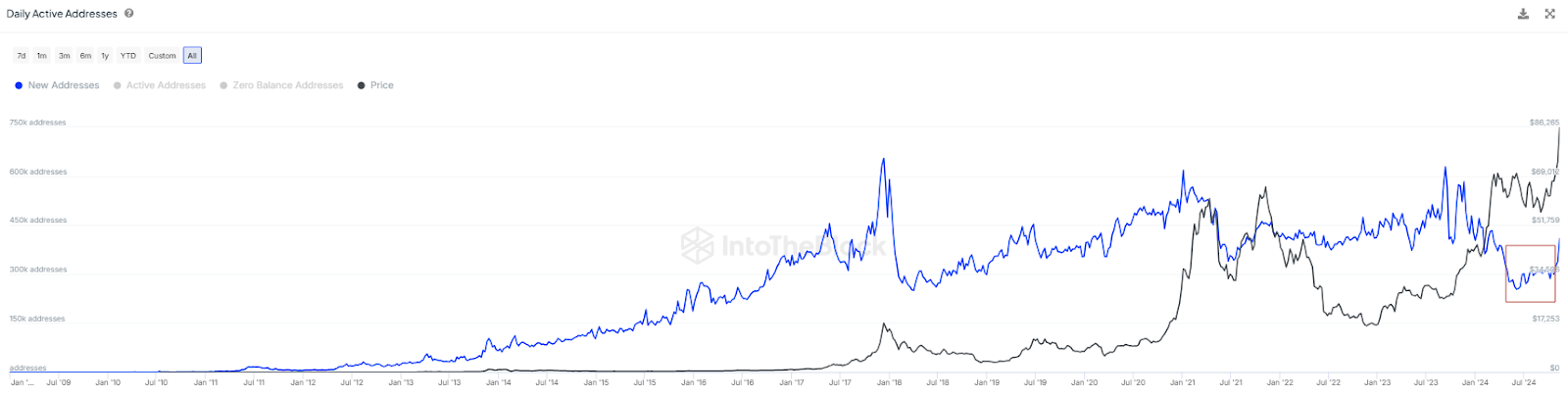
In short, airdropped tokens face significant challenges in maintaining value without steady buy pressure and robust retail interest. While airdrops remain popular, tokens often experience rapid sell-offs due to limited use cases, lack of perceived value among recipients, and weak buy-side demand, especially from retail investors.
The good news is that retail interest in crypto has been showing signs of revival in recent weeks. This renewed interest could help stabilize airdropped tokens, but long-term success will depend on more than distribution. To build lasting value, tokens must establish real utility, active development, and sustained buy-side demand.
The post 70% of Airdropped Tokens Fail to Deliver Profits, Here’s Why appeared first on Cryptonews.