


Generally, you simply want to provide your thoughts slightly trip. And nowadays, outer area seems like nearly as good a vacation spot as any. Fortunately, the James Webb House Telescope (JWST) is right here to provide us a blinding new picture of the Helix Nebula.
Found within the early nineteenth century, the Helix Nebula resides within the constellation Aquarius. (Cue The fifth Dimension.) At about 655 light-years away, it's certainly one of Earth's closest planetary nebulae. When zoomed farther out, it's straightforward to see why it's been nicknamed the Eye of God or Eye of Sauron. This 2004 picture from the Hubble telescope illustrates that.
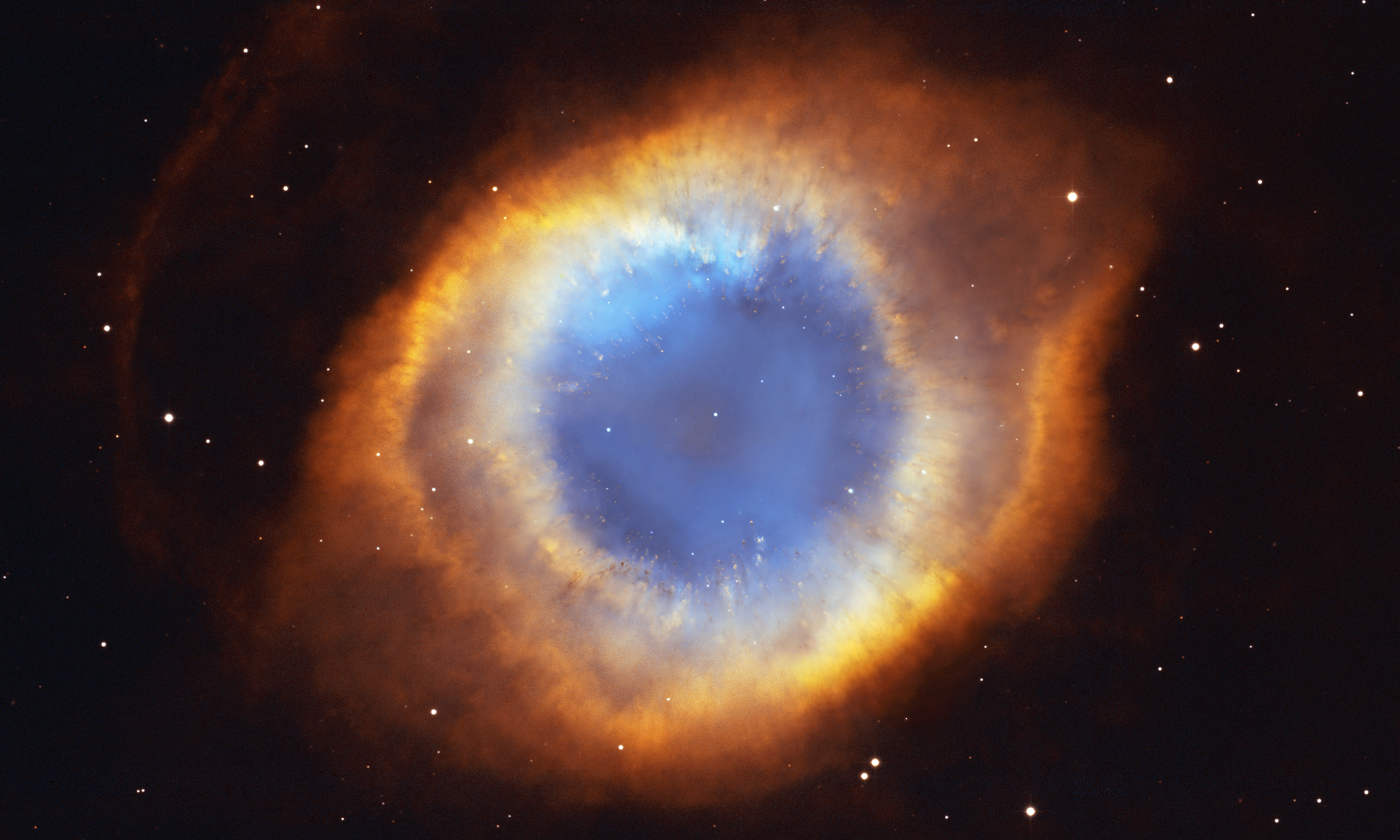
What we're seeing within the nebula is, in a way, a second of loss of life that lays the groundwork for a brand new start. The dying star (out of body within the nearer new picture) sheds its outer layers. As expelled fuel and mud cool, they supply uncooked materials that might sometime type new stars and maybe planetary techniques.
The brand new picture from Webb's NIRCam (Close to-Infrared Digicam) supplies a a lot nearer, higher-resolution view.
These pillars you see are referred to as cometary knots, and this picture is our greatest view of these thus far. "Right here, blistering winds of scorching fuel from the dying star are crashing into colder shells of mud and fuel that have been shed earlier in its life, sculpting the nebula's exceptional construction," the ESA wrote in its press launch.
The knots' colours signify temperature and chemistry. Hints of blue point out the most popular fuel (energized by ultraviolet gentle). The yellow areas, the place hydrogen atoms type molecules, are farther from the nebula's nucleus (and subsequently cooler). On the perimeters, reddish-orange areas depict the good materials, the place fuel thins and mud begins to type.
This text initially appeared on Engadget at https://www.engadget.com/science/area/earth-is-having-some-issues-so-lets-enjoy-the-webb-telescopes-new-nebula-image-181049901.html?src=rss